It's Cancer

It's Cancer: The Importance of Mental Health Support During the Journey
(Recently, I have had another friend diagnosed with Cancer, this time stage IV pancreatic. There isn't much that can be done, he's in hospice and we've started our goodbyes. I've lost so many people to this disease. My parents, my grandfathers, friends, etc... My heart needed to vent and so, this blog post was written...)
A cancer diagnosis changes everything in an instant.
Life becomes filled with doctor appointments, treatment plans, medications, scans, and difficult decisions. While medical care rightly becomes the priority, one critical piece of health is often overlooked: emotional well-being.
Cancer affects far more than the body. It impacts thoughts, relationships, identity, sleep, work, family dynamics, and the ability to feel safe in the future.
Whether you are the person diagnosed or someone who loves them, emotional support is not a luxury -it is an important part of the healing process.
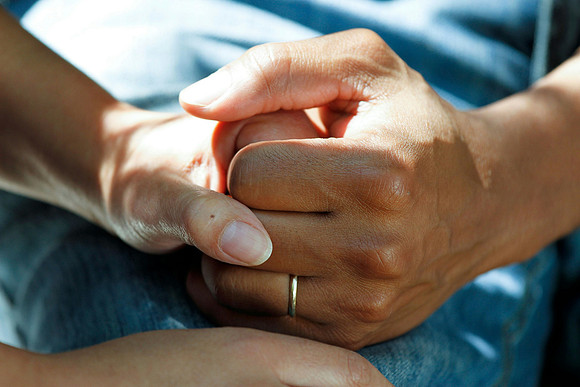 When the Diagnosis is CancerWhen you need support, we'll be there.
The Emotional Impact of Cancer
Everyone experiences cancer differently, but many people struggle with emotions such as:
- Anxiety before appointments or test results
- Fear of recurrence
- Sadness or depression
- Anger or frustration
- Changes in body image
- Loss of independence
- Difficulty concentrating
- Feelings of isolation
- Grief for the life they expected
Many patients feel pressure to "stay positive," even when they are exhausted emotionally. The truth is that every emotion has a place. Acknowledging fear or sadness doesn't mean you've lost hope. It means you're human.
Caregivers Carry Heavy Emotional Loads
Cancer impacts spouses, partners, parents, children, siblings, and close friends. Caregivers often become appointment schedulers, medication managers, advocates, transportation providers, and emotional anchors.
Many quietly experience:
- Chronic stress
- Burnout
- Sleep disruption
- Anxiety
- Depression
- Guilt when taking time for themselves
Because their attention is focused on the patient, caregivers often neglect their own emotional needs. Yet caregivers deserve care, too.
How Therapy Can Help
Counseling offers a confidential, supportive space where people don't have to protect anyone else's feelings.
Therapy can help individuals:
- Develop healthy coping skills
- Reduce anxiety and panic
- Navigate grief and uncertainty
- Improve communication with loved ones
- Manage caregiver fatigue
- Process changes in identity
- Learn mindfulness and stress reduction techniques
- Rebuild resilience throughout treatment and recovery
Sometimes therapy isn't about finding answers. It's about having someone walk beside you while you ask the hard questions.
There Is No "Right Way" to Cope
Some people want to talk constantly. Others need quiet. Some cry. Some focus on research and information. Some laugh more than ever. Healthy coping looks different for everyone. The goal isn't perfection.
The goal is finding support that helps you continue moving forward one step at a time.
Supporting Someone You Love
If someone you care about has cancer, remember that you don't have to fix the situation.
Instead, try to:
- Listen without immediately offering solutions.
- Ask what they need rather than assuming.
- Continue checking in after treatment begins.
- Offer practical help like meals, rides, or childcare.
- Respect their emotional ups and downs.
- Encourage professional support when appropriate.
Your presence often means more than finding the perfect words.
Mental Health Is Part of Whole-Person Care
Cancer treatment has advanced tremendously over the years, and thankfully, so has our understanding of the emotional impact of serious illness. Supporting mental health is not separate from medical care -it complements it. Healing involves the whole person: body, mind, and relationships. If you or someone you love has been diagnosed with cancer, know that you do not have to face the emotional journey alone. Reaching out for support is a sign of strength, not weakness. There is hope, even on difficult days. And no one should have to carry this burden by themselves.
Do you need support? I'm here... Schedule your consultation here: Meet with Cara
Do you need an End of Life Doula? Cynthia and I work well together as a team to support your needs. Samsara End Of Life Services
Image courtesy of the National Cancer Institute.
Comments
Memories in Time Photography 1589 MN-7 #203 Hopkins, MN
(952)288-8617 [email protected]